

Draconid Meteor Shower
What is the Draconid meteor shower?
The Draconid meteor shower is an annual display of shooting stars that appears every October when Earth passes through the trail of dust and debris left behind by Comet 21P/Giacobini-Zinner. As these tiny particles enter our atmosphere, they burn up at high speed, creating bright streaks of light across the night sky.
The meteor shower gets its name from the constellation Draco the Dragon, where the meteors appear to originate. Unlike many other meteor showers that are best viewed after midnight, the Draconids are unusual because they are often visible shortly after sunset, making them one of the more accessible autumn stargazing events to experience in the UK.
Most years bring a quieter display, with only a handful of meteors visible. However, the Draconids are known for their unpredictable nature, with rare outbursts producing spectacular bursts of activity. This uncertainty is what makes every October viewing opportunity unique, especially from locations with dark skies and minimal light pollution.
A brief history
The Draconids take their name from Draco, but their story really begins with a comet. In 1900 the French astronomer Michel Giacobini spotted a faint new comet from Nice, and thirteen years later Ernst Zinner independently recovered it. That comet the 21P/Giacobini-Zinner. circles the Sun every six and a half years, and the dust it sheds is the raw material of the shower.

For decades the shower was known as the Giacobinids, and on a few remarkable nights it earned its reputation. In October 1933, observers across Europe watched thousands of meteors an hour pour from the north, a genuine meteor storm. Thirteen years later, in 1946, the spectacle returned over North America.
Most years are far quieter, offering only a scattering of meteors after dusk. Yet the Draconids have never quite lost their capacity to surprise: smaller outbursts in 1985, 1998 and 2011 have kept a new generation of stargazers looking up on early October evenings, just in case.
How to watch from the UK
You need no telescope, no binoculars and no expertise to enjoy the Draconids, just your own eyes and a patient half-hour under an open sky. Because the shower’s radiant sits high in the north within Draco, the best strategy is simply to find a wide, unobstructed view and let your gaze drift across as much of the sky as you can.
Timing is where the Draconids break the usual rules. Most showers reward the small hours after midnight, but this one is often at its best in the evening, once the sky has fully darkened and while the radiant still rides high. That makes it a rare family-friendly shower you can catch without staying up all night.
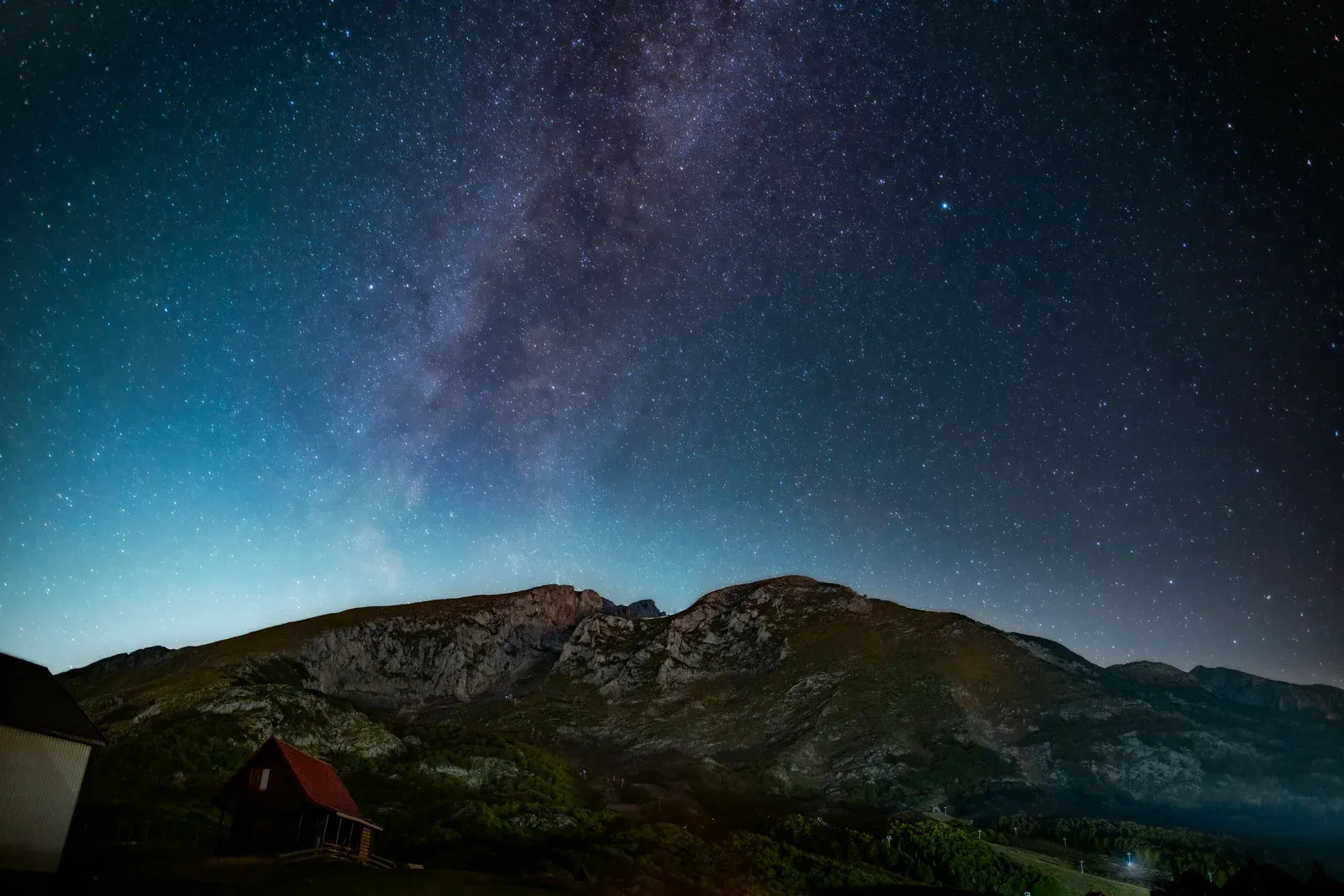
Everything else comes down to darkness and comfort. Head well away from town and street lighting to somewhere with genuinely dark skies, give your eyes at least twenty minutes to adjust and keep phone screens out of view while they do. Check the forecast for clear skies, wrap up far warmer than an October evening seems to demand, and bring a reclining chair or blanket so you can watch in comfort. It is also worth checking the Moon: bright moonlight near the peak can wash out fainter meteors, so a darker Moon makes for a far better night.